Connecticut’s cultural festivals include Polish, Irish and Greek heritage festivals, a Scottish Highland games, a fife-and-drum muster and several arts festivals. They sit outside the agricultural-fair calendar. Each is run by its own organization, such as the Milford Irish Heritage Society or St. George Greek Orthodox Cathedral.
Heritage Festivals: Polish, Irish, and Greek
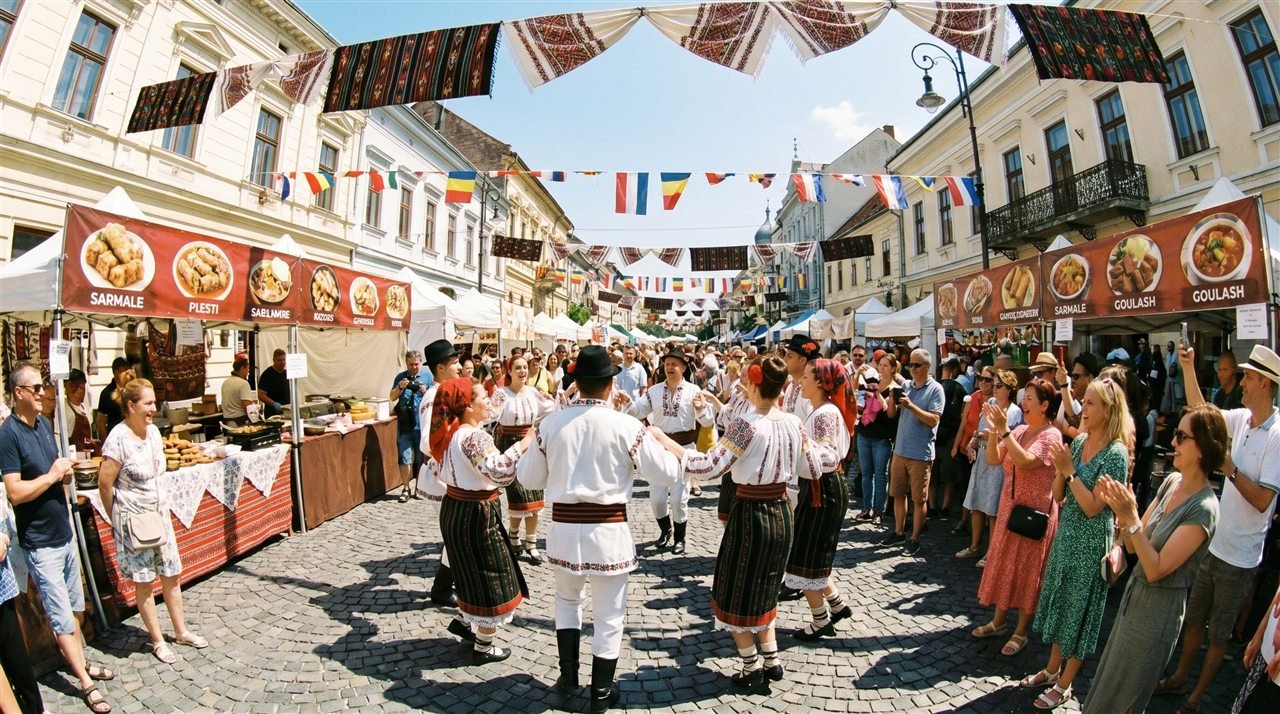
The Little Poland Festival in New Britain dates to 2010. It is a street festival on Broad Street, listed with Polish food and folk dancing, and its 2026 date was not confirmed. The Milford Irish Festival was held on September 18 to 19 at Fowler Field, with Celtic music and step dancing.
The Hartford Greek Festival, hosted by St. George Greek Orthodox Cathedral, was listed with homemade Greek food and pastries. The festival was held June 4 to 7, 2026.
Scottish and Colonial: Round Hill and Deep River
The Round Hill Highland Games in Norwalk date to 1923 and were listed with caber tossing and massed pipe bands. Their 2026 date was not confirmed. The Deep River Ancient Muster, dating to 1953, was listed with fife and drum corps in colonial dress at Devitt Field, a tattoo and a parade; its 2026 date was not confirmed either. The organizer describes it as the world’s largest gathering of fife and drum corps.
Arts and City Celebrations
The International Festival of Arts & Ideas, founded in 1996, was listed with music, theater, dance, ideas and conversation in downtown New Haven, anchored by free outdoor performances on the New Haven Green. The Barnum Festival in Bridgeport, dating back to 1948, was listed as a season of events honoring showman P.T. Barnum, with harbor fireworks and the Great Street Parade. The 2026 dates for both were not confirmed.
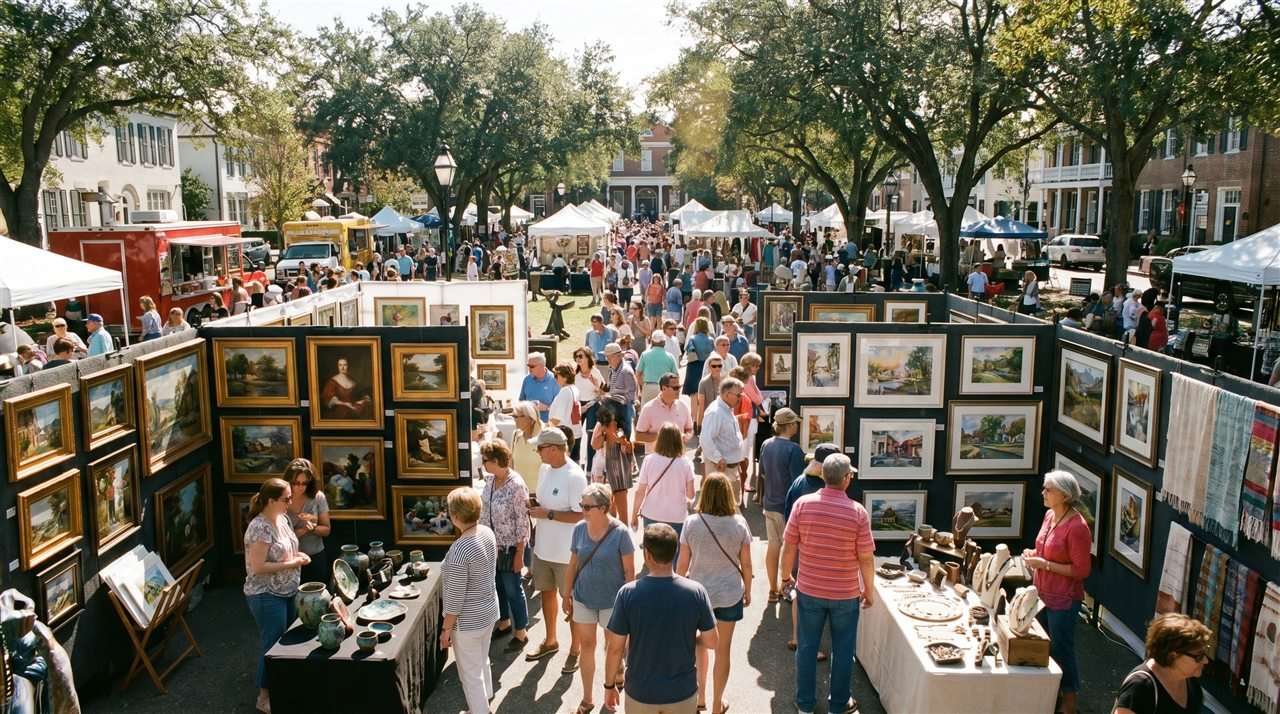
The SoNo Arts Festival in South Norwalk had juried fine-art and craft vendors and a kinetic sculpture race. The Mystic Outdoor Art Festival filled the streets of downtown Mystic with artists’ work.